


Sara Shields shares career experience and advice for students
Matilda Svhan & Isaac Adjei
August 12, 2026
Sara Shields, associate professor of instruction at Texas State University, brings her professional experience into the classroom and focuses on preparing students for careers in digital media. Shields started her career working in the music industry as a digital content manager before transitioning into teaching. Her experience continues to shape how she mentors and guides students today.
What were you doing professionally before you became a professor?
Prior to becoming a professor, Shields built her career in the music industry where she worked with artists, venues, festivals and entertainment brands to create engaging digital content and strategies. Her work spanned digital marketing, social media, photography and videography, giving her hands-on experience in nearly every aspect of digital storytelling.
“Working in the music industry taught me how quickly digital media evolves,” Shields said. “Every campaign required creativity, adaptability and the ability to connect with audiences in meaningful ways. It wasn’t just about creating content—it was about telling stories that people want to engage with.”
Although her official titles included digital marketing manager and digital content coordinator, her responsibilities extended far beyond those roles. Shields planned and executed social media campaigns, produced photo and video content, managed websites and digital platforms and collaborated with artists and industry professionals.
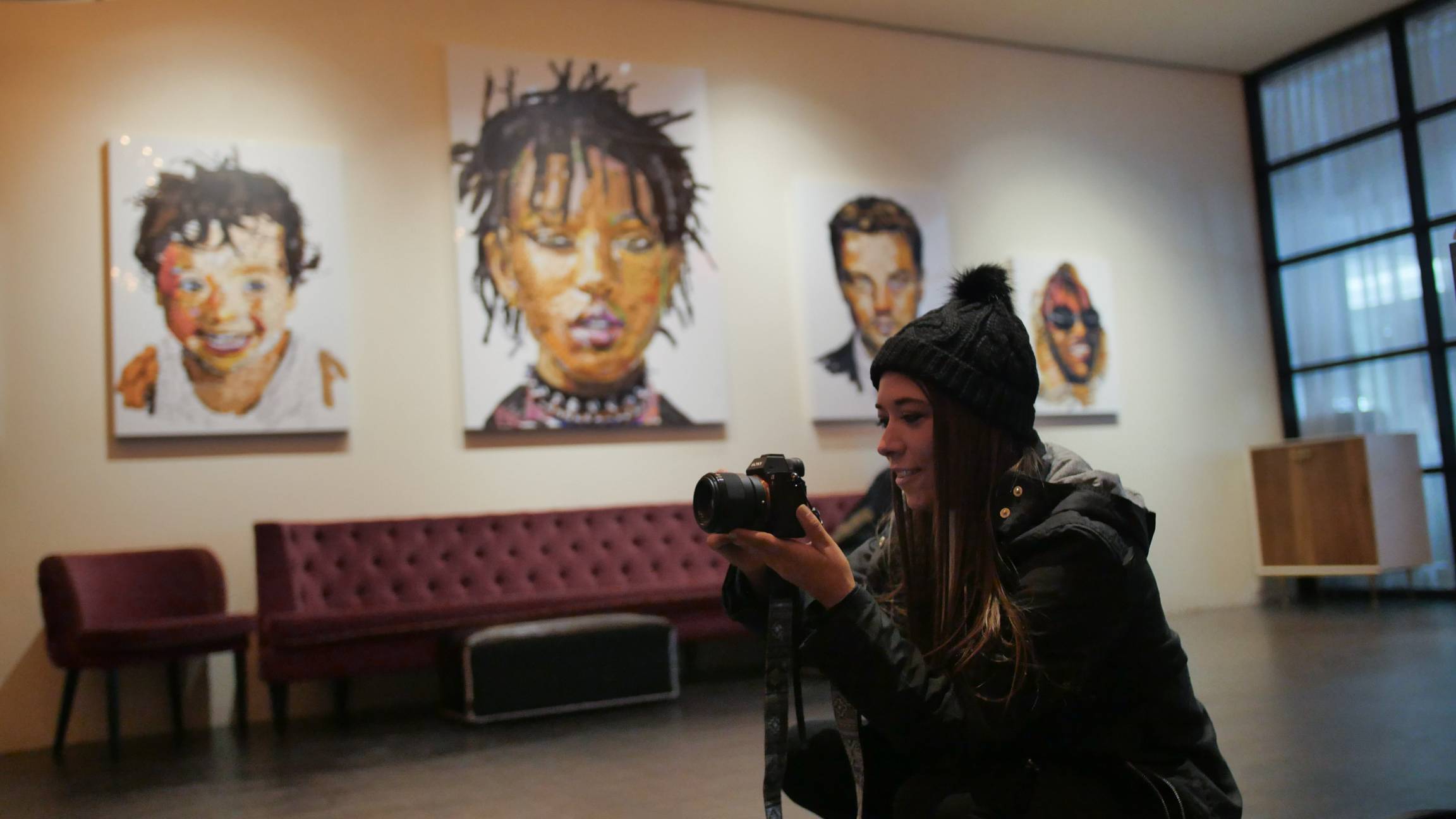
Sara Shields built brands through photography, video and social media.
What accomplishment from that time are you most proud of?
Shields says one of her most meaningful milestones of her career was being invited by a former supervisor to help launch a new artist management agency from the ground up.
“Being asked to join a brand-new company was incredibly rewarding because it meant someone I had worked with trusted my skills enough to help build something from the beginning,” Shields said. “I had the opportunity to shape its digital presence, create content, and help establish the company as it grew. Watching it evolve into a successful agency representing artists like Japanese Breakfast, Black Pumas and Regina Spektor has been exciting, and I’m proud that I was able to play a small part in those early stages.”
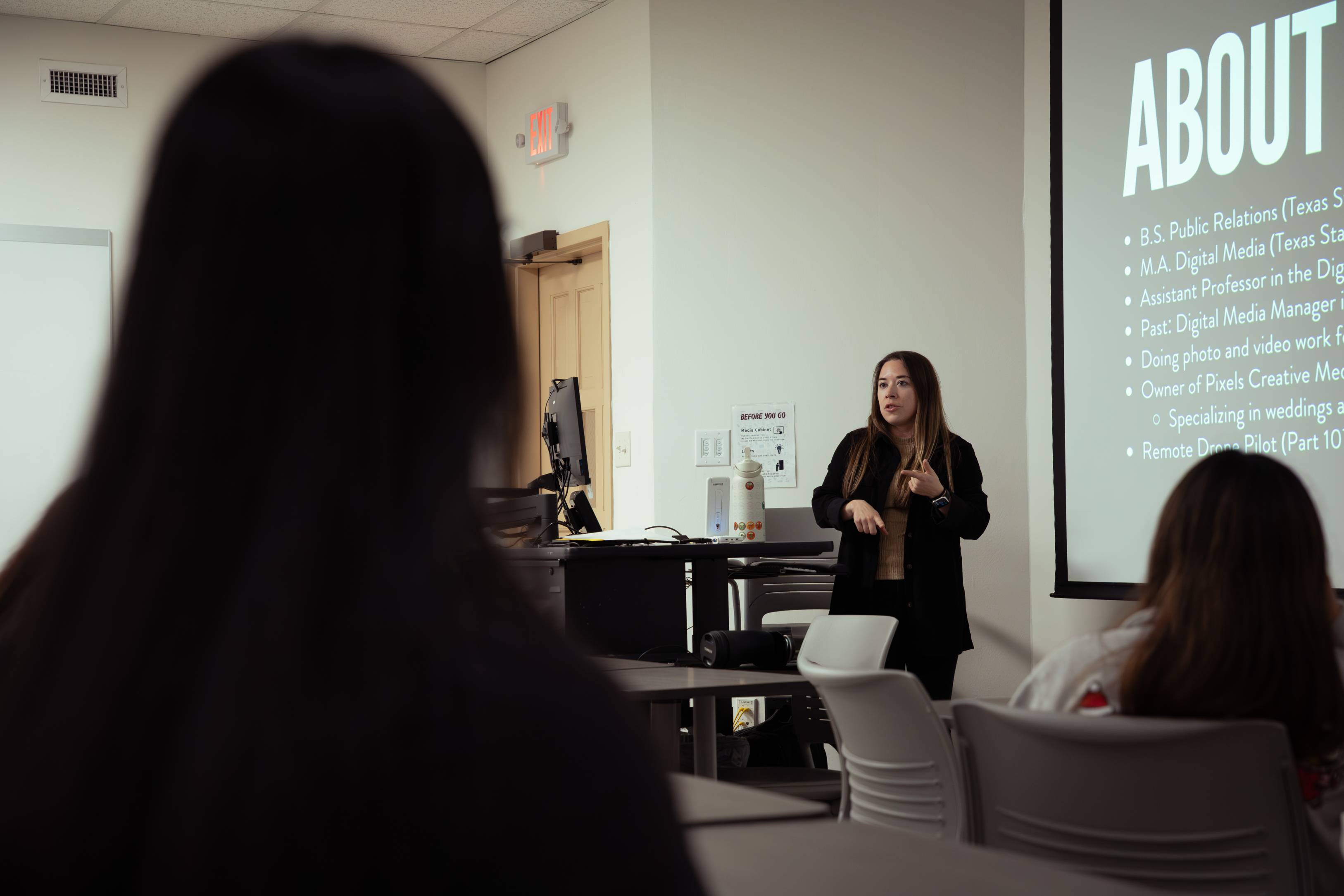
Sara Shields leads a class discussion at SJMC
What skills from your career do you use most in the classroom today?
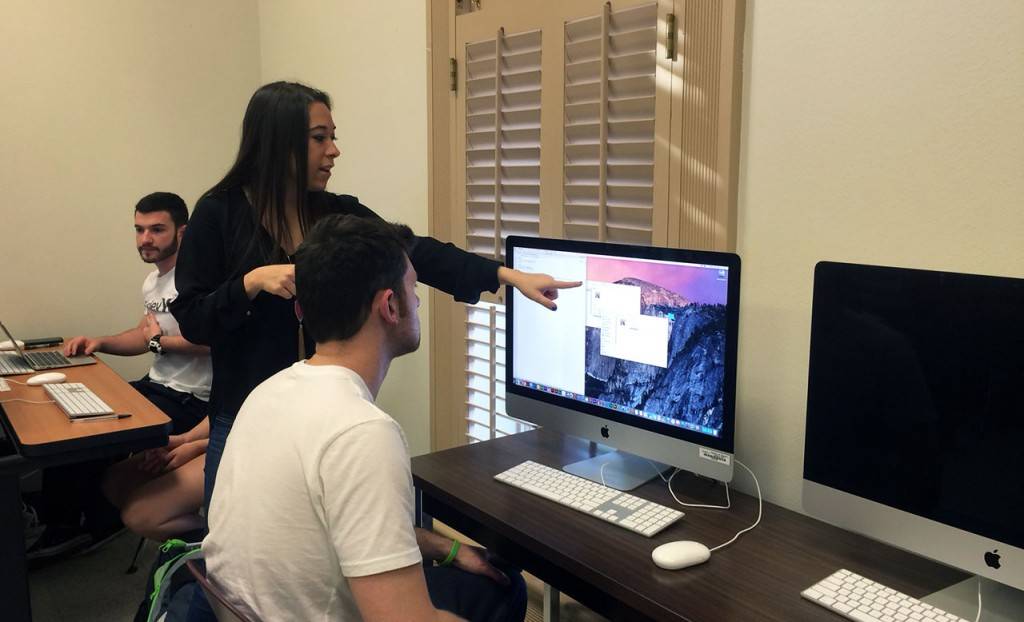
Shields incorporates many of the skills she developed throughout her professional career into teaching, with a particular emphasis on client communication, project management and producing work that meets real-world expectations. Many of her courses are built around experiential learning, giving students opportunities to work with actual clients and navigate the same challenges they will encounter after graduation.
“The music industry is incredibly fast-paced, and I learned to wear a lot of hats,” Shields said. “Those experiences shaped the way I teach today because everything I bring into the classroom comes from real-world practice. I want students to leave my classes not only with technical skills, but also with the confidence to communicate professionally, solve problems, and deliver work that clients are genuinely excited about.”
Drawing from her years of professional experience, Shields recreates authentic client workflows in the classroom, allowing students to pitch ideas, collaborate with organizations, manage deadlines, respond to feedback and present final deliverables. She believes these hands-on experiences give students a realistic understanding of what they’ll encounter in their careers and help them build confidence before entering the workforce.
What advice would you give SJMC students preparing for their careers?
Shields encourages students to get involved as much as possible while they’re in college, whether that’s through internships, student organizations, campus opportunities, freelance work or personal creative projects. She believes that the experiences students gain outside of the classroom are often what sets them apart after graduation.
“The biggest piece of advice I can give is to get involved,” Shields said. “Don’t wait until after graduation to start building your experience. Join organizations, take on internships, attend events, network with people in the industry, and create work you’re proud of. Every opportunity teaches you something and helps you figure out what you enjoy.”
Shields also encourages students to take advantage of the resources available through the School of Journalism and Mass Communication, including faculty mentorship, industry connections, and experiential courses that allow students to work with real clients.
Get to know your professors because they know hundreds of students that have graduated, and they can always help connect students in the industry
What is one thing students often misunderstand about your field?
Shields said many students enter her web design courses feeling intimidated by coding, especially if they’ve never written a line of code before. She encourages them to approach it one step at a time and reminds them that confidence comes with practice.
“Students often think coding is this big, intimidating thing, but once you start doing it, it becomes much more approachable,” Shields said. “Practice really does make a difference. By the end of the semester, I hear so many students say they never expected to enjoy coding, but they found it incredibly rewarding.”