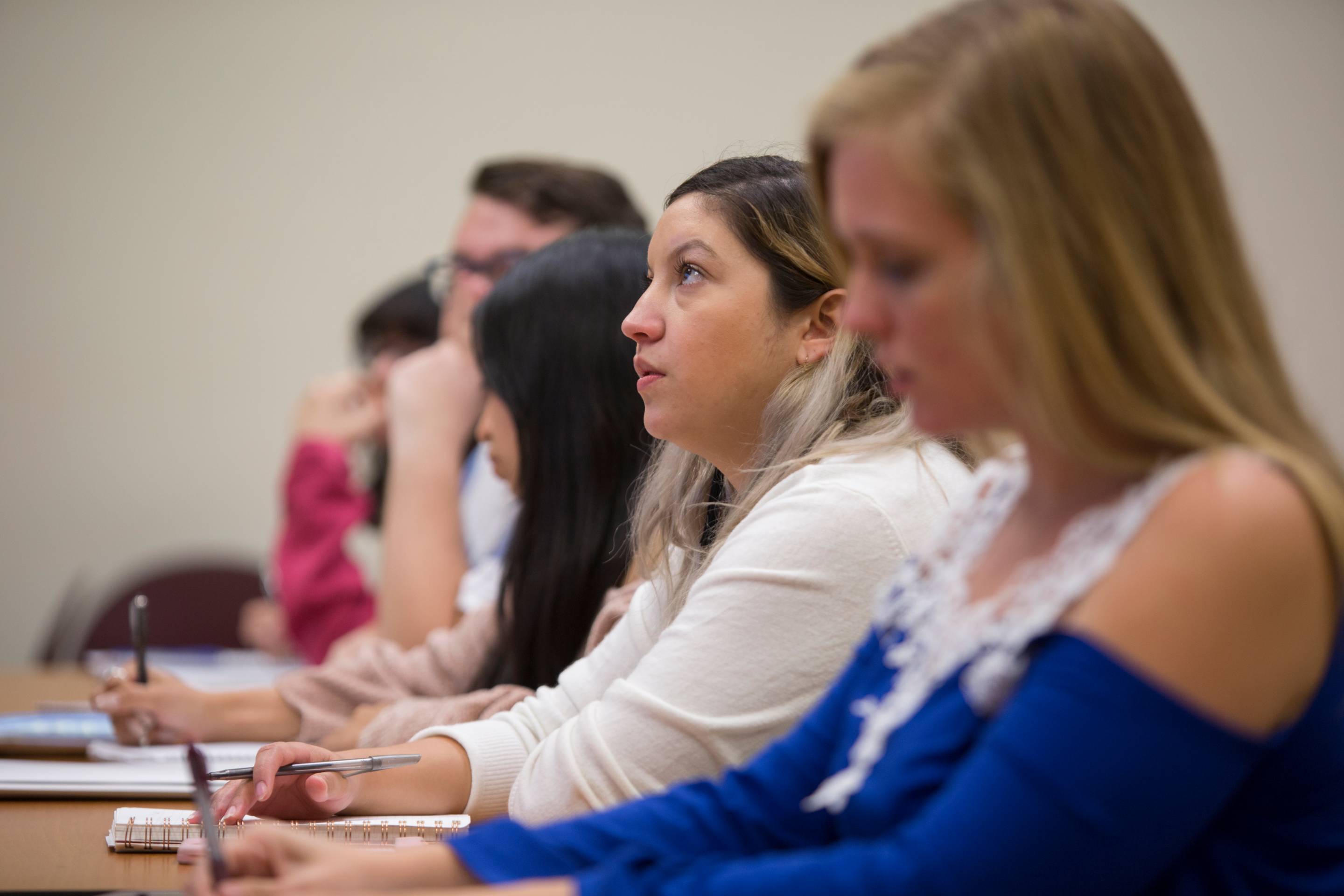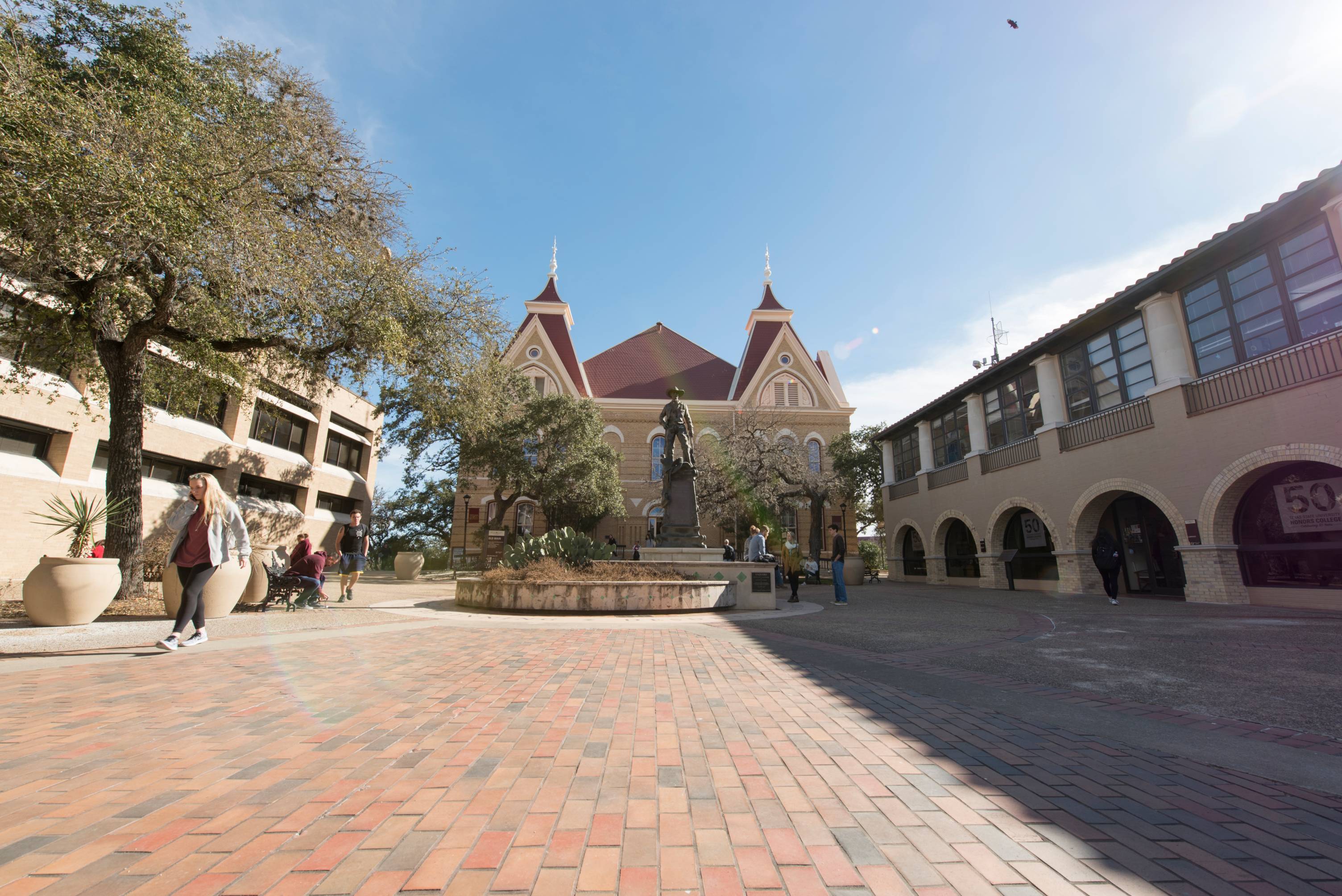


Don't just study journalism – immerse yourself in a supportive community that fosters passion, creativity, and professional development. Engage with like-minded peers in organizations such as the Student Society of Professional Journalists (SPJ) and the Texas State University Broadcast Society, where you can collaborate on projects, attend industry events, and build lasting connections. These student organizations provide invaluable opportunities to enhance your skills, gain hands-on experience, and stay updated on industry trends.
#TXSTJOURNALISM
About our Program
Through immersive simulations and collaborative projects, students engage with real-world scenarios within the safety of the classroom environment. This hands-on approach allows them to practice journalism skills, navigate ethical dilemmas, and develop problem-solving abilities in a setting that mirrors the complexities of the industry. By bringing the newsroom experience into the classroom, we ensure our students graduate not just with theoretical knowledge but with a robust skill set and confidence to thrive in the dynamic field of journalism.
Journalism Careers
With a strong foundation in journalism principles, critical thinking, and adaptability, Texas State journalism students carve out successful careers in various sectors, from traditional news outlets to cutting-edge digital media enterprises.
-
Careers in journalism
- Investigative Reporter
- Multimedia Journalist
- Digital Content Producer
- News Editor
- Broadcast Journalist
- Photojournalist
- Copywriter
- Content Strategist
- Editorial Assistant
- Sports Reporter
- Political Correspondent
- Media Analyst
Journalism Degree Courses Overview
Course Requirements Note:
This list highlights typical degree requirements for Journalism majors and is intended as a general planning guide. Course options and availability may vary by semester. Students should consult the official course catalog or an academic advisor for the most current information.
Journalism Major Course Options
Core Courses Required for All SJMC Majors
MC 1301 – Introduction to Mass Communication
MC 4301 – Media Law and Ethics
MC 4381 – Fundamentals of Digital and Online Media
One-Hour Performance Course Requirement
Journalism majors must complete one approved one-hour performance course. Recommended options include:
MC 1100S – Interviewing
MC 2111 – Media Practicum
MC 3100 – Grammar for Media Professionals
MC 3111 – Drone Bootcamp
MC 3114 – Career Exploration
MC 3118 – Careers in Media
Required Journalism Major Courses
MC 1313 – Media Writing
MC 3321 – Reporting I
MC 3383 – Editing and Managing Content
MC 4323 or MC 4324 – Multimedia Journalism or Visual Storytelling
MC 4337 – Data Journalism
One of the following capstone options:
MC 4386 – Journalism Project
MC 3312 – Television News
MC 4383 – Visual Production Capstone
MC 4387 – Storytelling and the Border
Journalism Menu Courses
Students select two courses (6 credit hours) from the following:
MC 3307 – Audio Production
MC 3311 – Video Production
MC 3355 – Mass Media and Society
MC 3390 – Media Design
MC 4308 – Women and Minorities in Media
MC 4312 – Photojournalism
Open Mass Communication Electives
Students complete 9 credit hours (3 courses) from approved MC electives. Examples include:
MC 4330 – Internship
MC 4315 – Web Design and Publishing
MC 4326 – Advanced Social Media and Analytics
MC 4357 – Sports as News
MC 4359 – Travel Writing
MC 4360 – Mobile Storytelling
MC 4388 – Advanced Photojournalism
Faculty
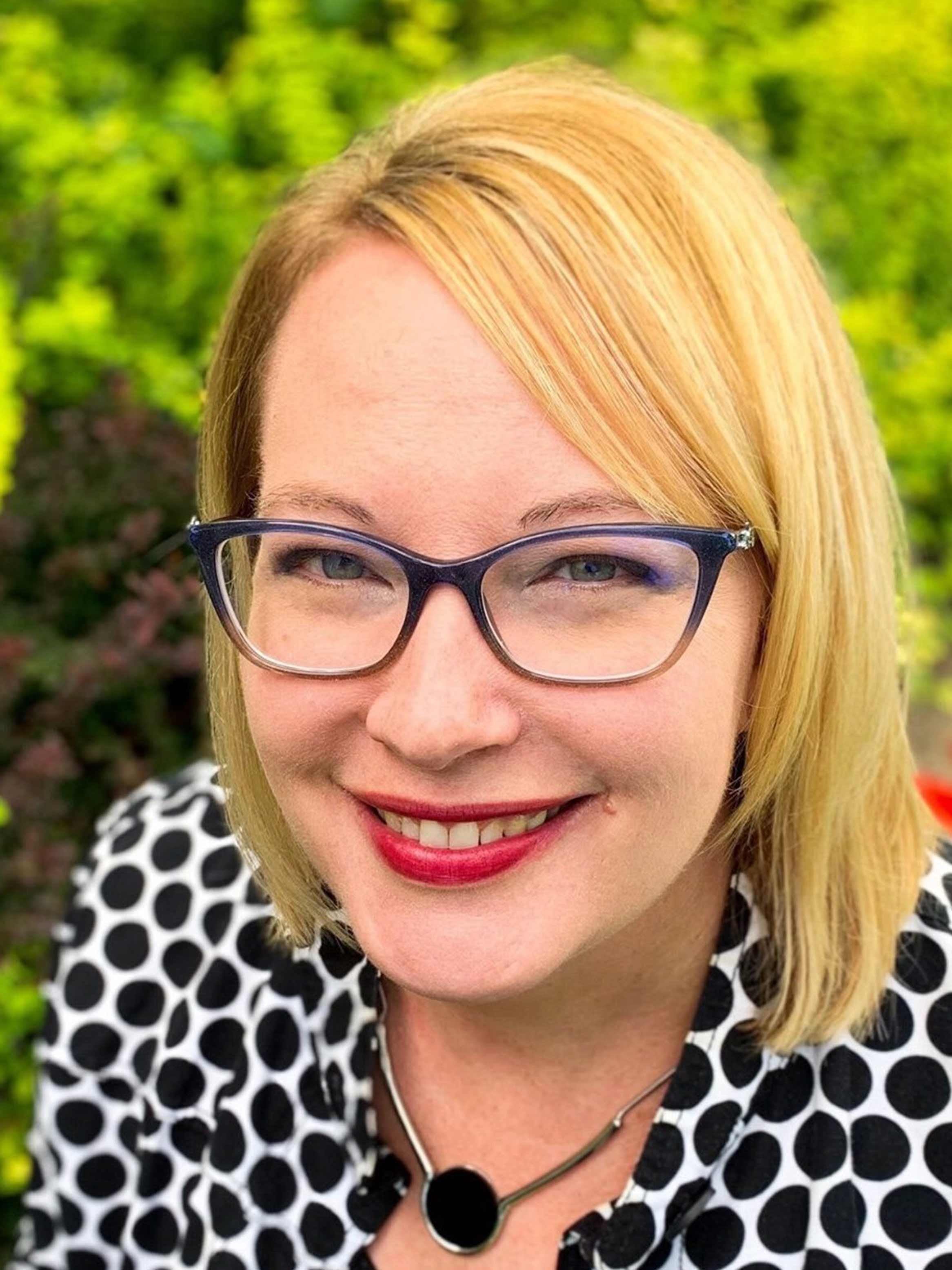
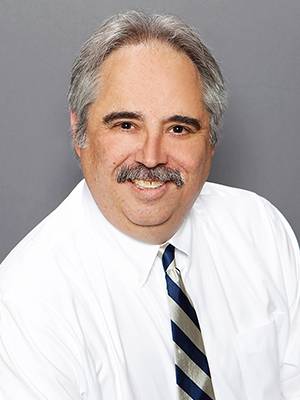
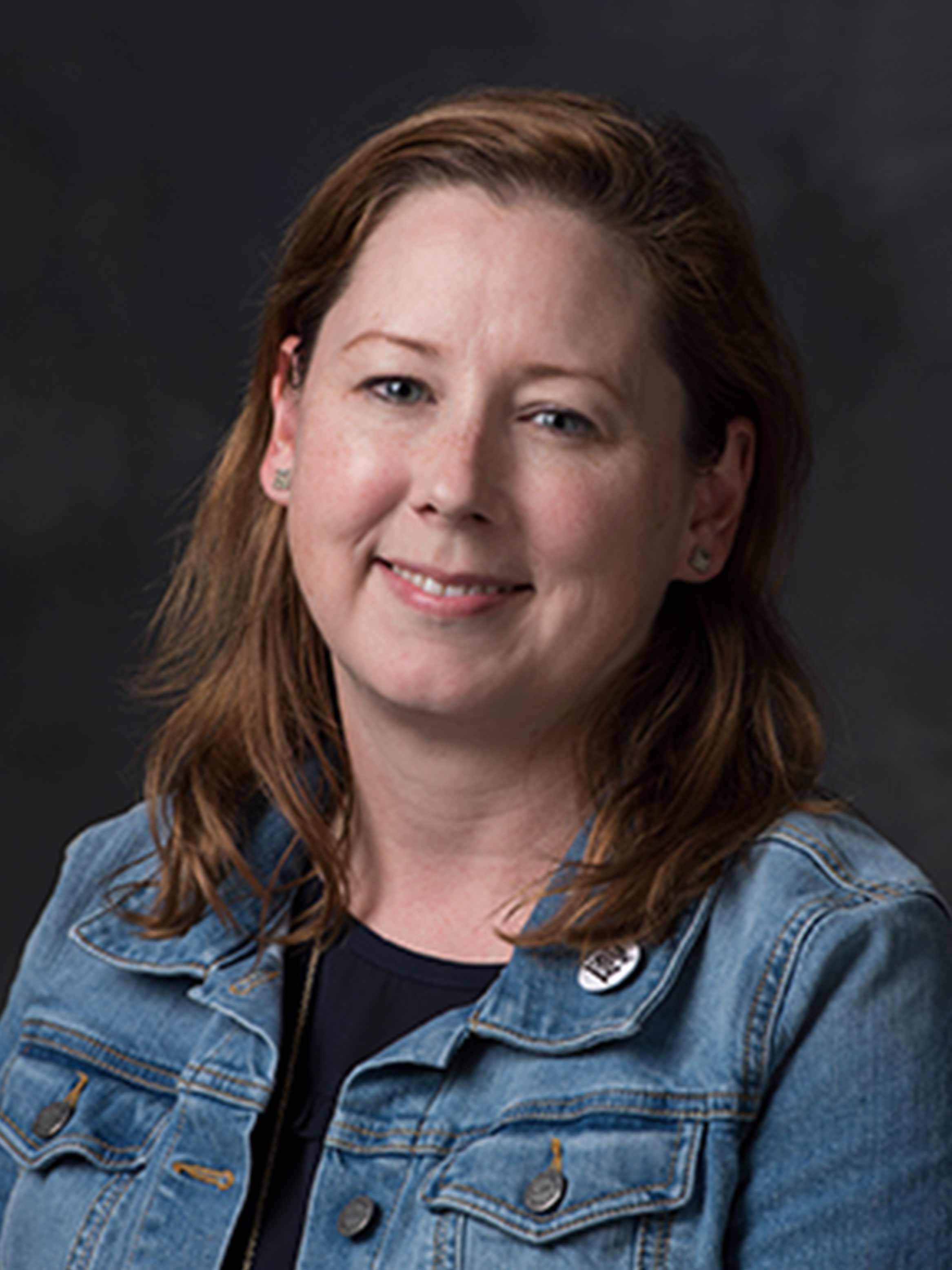
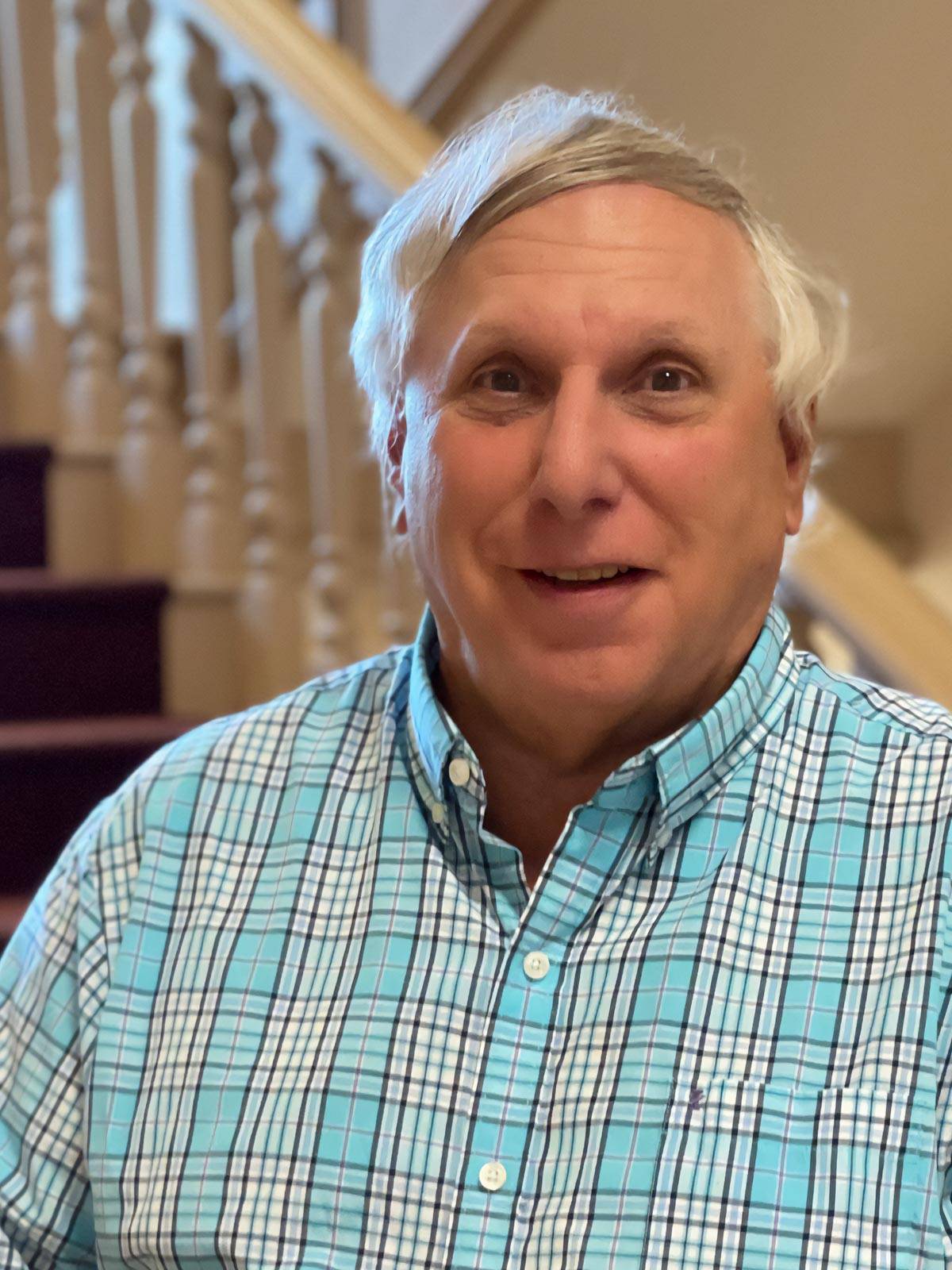
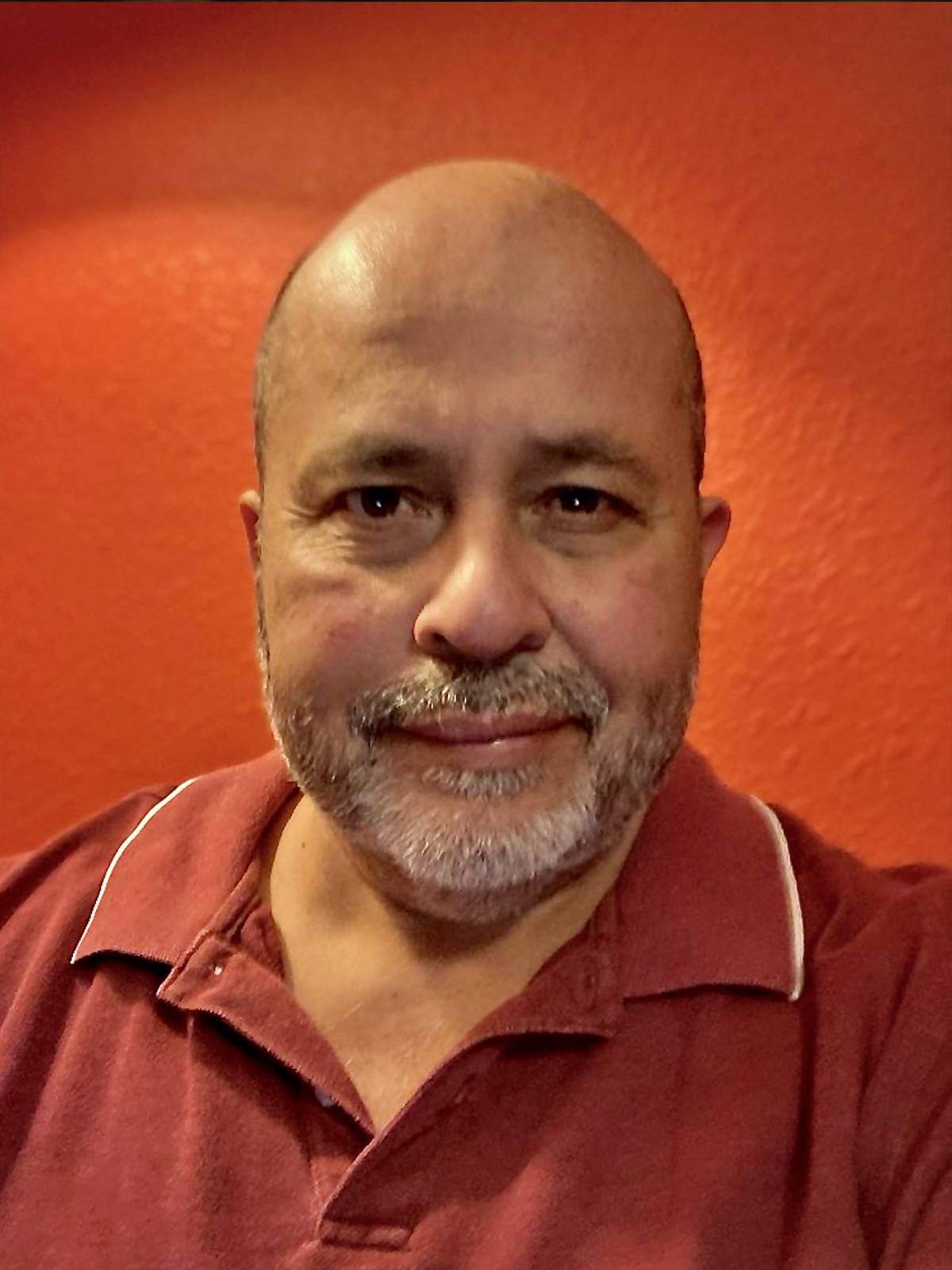
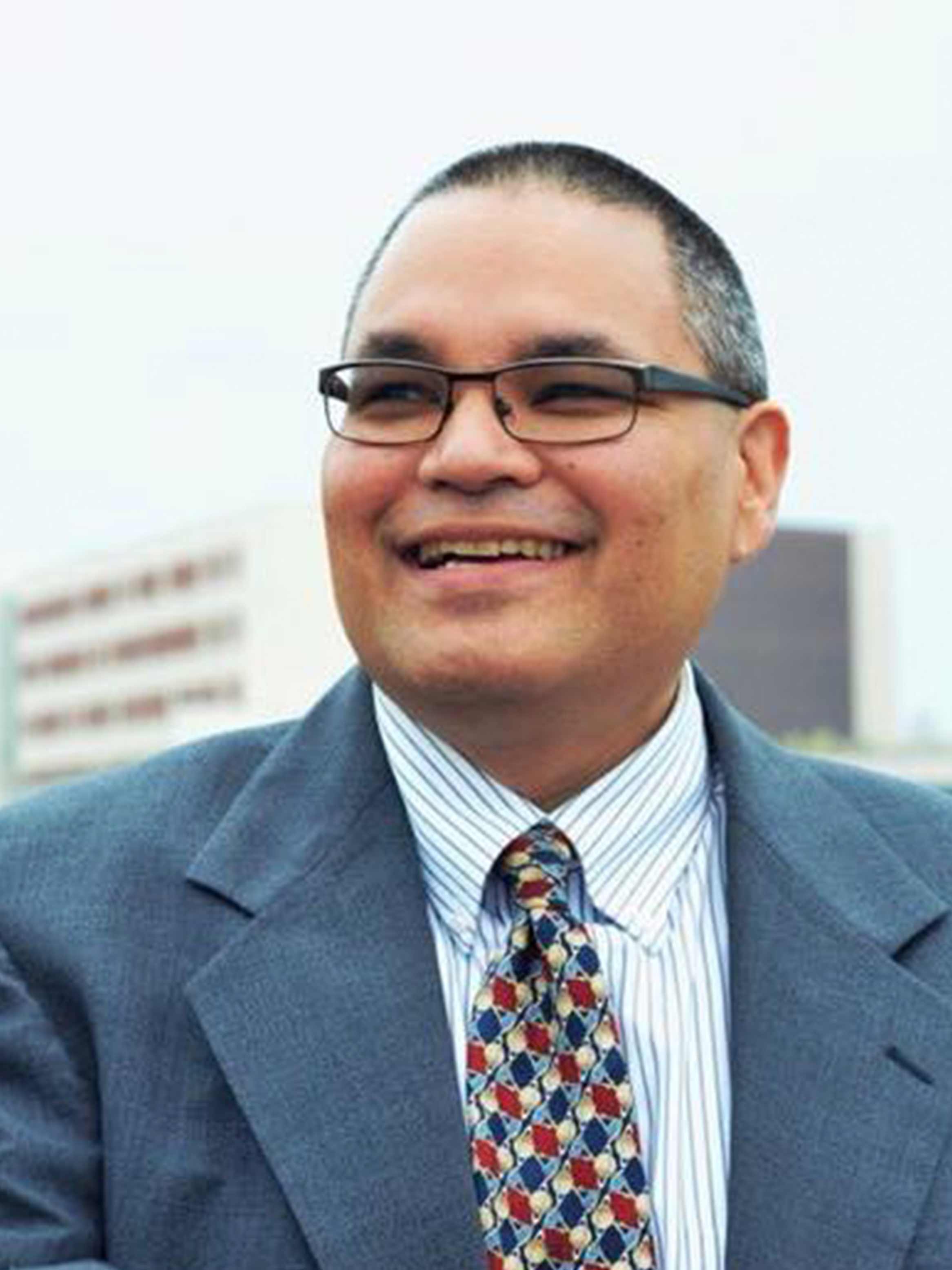
Our distinguished faculty, a blend of seasoned professionals and dedicated academics, bring real-world insights to the classroom. With former and current journalists as faculty, we maintain a crucial connection to the industry, ensuring our students receive a well-rounded education that seamlessly integrates theory and practice. Join us at the forefront of journalistic excellence and innovation.